What Is Vehicle Fleet Management? A Complete Guide for Businesses
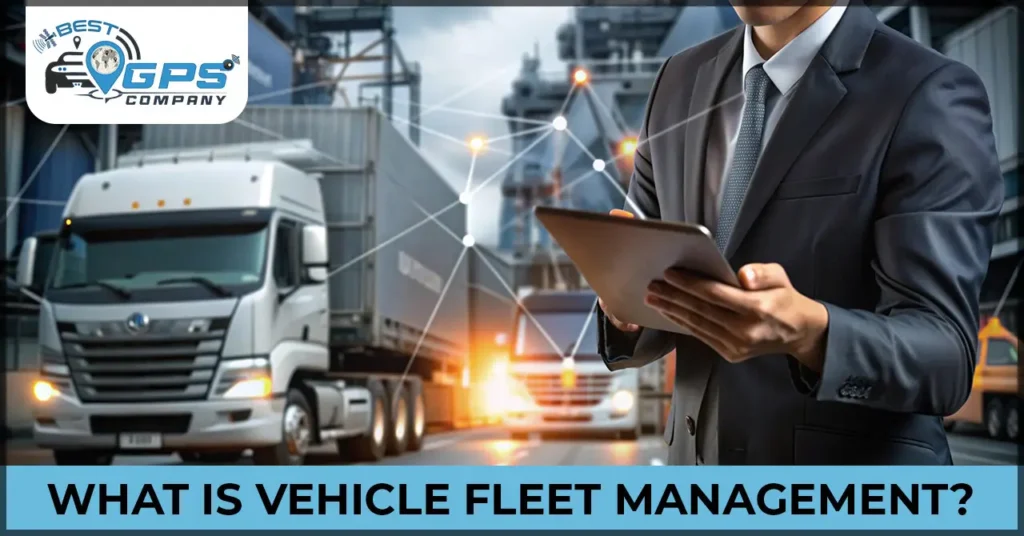
Logistics, freight, delivery, and many other companies like this manage multiple vehicles on a daily basis. These companies take advanced technologies for granted and don’t feel it necessary to integrate it in their fleet vehicles. Therefore, it results in manual errors, compliance issues, increased incidents and expenses. It is where the need for GPS tracking and fleet management comes in.
It ultimately helps businesses with enhancing efficiency, ensuring driver safety, and controlling expenses. This system is considered as a backbone for many industries dealing with vans, buses, and trucks on a daily basis. It helps them to monitor, manage, and optimize their entire vehicle ecosystem. Here in this blog, you will know about advanced systems to manage fleets, why it is necessary for businesses, and much more.
What is fleet management & why does it matter?
It is a process of monitoring company-owned or leased vehicles, drivers, and related operations to enhance productivity while reducing expenses and risks. It combines people, processes, and technology on a centralized system, including vehicle maintenance, fuel control, GPS tracking, and driver behavior monitoring. Manual management is not enough; today’s businesses need proper systems like GPS tracking, telematics, and IoT sensors. The biggest reason that makes it necessary to use it is cost control. Factors that silently drain profit include fuel expenses, maintenance costs, vehicle downtime, and misuse.
When it comes to operational efficiency, you will get to know vehicle location, how they are being used, route optimization, and much more. Driver safety and accountability are other essential factors. It allows monitoring driver behavior and reduces accidents. Besides this, compliance and risk management are equally important and should be followed.
Core Components In Fleet Monitoring
There are the three key pillars for an effective fleet management system. It includes vehicles, drivers, and compliance. These components keep your business fleet safe, effective, and efficient. Let’s understand these components.
1. Vehicles
Vehicles should be managed effectively because they are the backbone of every fleet.
- Choose the car that fits your business requirements, manage the cost, fuel consumption and dependability.
- Keep a schedule to improve on unanticipated failures and improve the longevity of the vehicles.
- Check performance, speed, and location with the help of GPS, telematics, and fuel sensors.
2. Drivers
Effective and reliable fleet management systems depend on drivers.
- Make sure the drivers are guided by the regulatory rules, positive driving habits and increase fuel efficiency.
- Monitor speed, hard braking, and other activities with the help of the telematics.
- Safe management practices can help in enhancing safe driving and minimize accidents.
3. Compliance
It also manages the legal operations of your fleet, as well as its compliance with legal regulations. The key areas include:
- Regulatory compliance should be ensured by observing local statutes, maximum hours of work of drivers, and inspections.
- Avoid accidents and improve the level of safety by fulfilling the needs of safety.
- Keep the records of vehicle service, driver charges, fuel consumption.
- Obtaining correct documentation to do audits and inspections to minimize fines.
Technology Stack Behind Fleet Management
Fleet monitoring is not only about paperwork, phone calls, and checking anymore. Businesses today are very dependent on the use of technology to track, streamline and optimize all the operations of their vehicles. This has been facilitated with the use of technology stack involving GPS tracking, telematics systems and fleet management software. All of these tools together can provide real time, actionable, automation, which can make fleet management efficient, safe, and cost effective.
1. GPS Tracking
GPS is an advanced technology that helps companies know the vehicle location exactly at any given time. Its benefits include:
- Get accurate location data, real-time monitoring, optimized routes, and customer updates.
- Optimize better routes that reduce fuel usage and ensure on-time delivery to customers.
- Allows immediate tracking and recovery to prevent theft and recovery.
- Analyze past routes to monitor inefficiencies and enhance future planning.
It is considered a first layer of technology for fleet vehicles that provides accurate location and advanced insights through telematics and software.
2. Telematics Systems
It goes beyond GPS by collecting and analyzing advanced data from vehicles. It includes the combination of telecommunications and informatics to monitor different aspects. The key features include:
- It enables you to monitor several diagnostics such as the consumption of fuel, battery levels, and maintenance notifications.
- It is possible to track driving habits such as speeding, braking, acceleration, and idling to enhance safety.
- It provides real-time information to anticipate problems before they turn out to be an expensive problem.
- It helps to understand vehicles that are overused and underused to optimize deployment.
3. Fleet Management Software
Here comes fleet management software, which is a platform where all GPS and telematics data is collected, processed and presented in actionable formats. It includes:
- Live tracking, positions, and movements of vehicles.
- Reporting and analytics to create KPI such as cost per mile, down time and fuel efficiency.
- Tracking of license, permits and safety certifications compliance.
- Streak of warning of accidents, over speed, and maintenance.
It is the brain of the operation that transforms raw data to insights which save cost, and improve driver safety.
Key Metrics & KPIs To Track
Data-driven insights are the core aspect of what fleet managers need for a truly optimized vehicle operation. The tracking of these KPIs leads to cost reduction, efficiency uplift, and decision-making based on facts.
1. Fleet Utilization Rate
Check the usage of your cars in comparison with their availability. This helps to find the cars that are not used much and to cut down on the costs that are not necessary.
2. Cost per Mile / Kilometer
Total cost per mile of vehicles including fuel, upkeeping, and insurances must be calculated. It eventually leads to the identification of the costly vehicles and the areas for improvement.
3. Fuel Efficiency & Consumption
It is suggested that tracking of the fuel consumed per car and fleet together, which is the biggest variable in terms of cost, be done. It keeps a check on efficiency and brings into the open the waste, idling, and the routes that are not efficient.
4. Vehicle Downtime
Calculate the total period for which the vehicle is not in service because of maintenance and repairs. This leads to the loss of productivity, cost increase, and reliance on predictive maintenance to lower downtime.
5. Driver Safety Measures and Stats
Keep an eye on the cases of speeding, desperate braking, acceleration and idling. It results in improved safety of drivers, reduced accidents, and improved fuel economy.
6. Service Maintenance & Compliance
Monitor the planned maintenance, checking, and other completions which assure that the vehicles are safe, extend their life and prevent the expenses of breakdowns.
7. Distribution Route Performance
Ensure that the deliveries and journeys are prompt, and the routes that are followed are the most suitable. This translates to enhanced customer satisfaction, enhanced operational efficiency and low fuel and labor costs.
8. Total Cost of Ownership
Track the total cost of owning and running a vehicle for its entire life. It helps in making decisions regarding replacement, buying of new vehicles, and expansion of the fleet.
9. Accident & Incident Reports
Track damages, monitor collisions, and lower incidents for the sake of safety enhancement, risk detection, and liability reduction in terms of legal and insurance issues.
10. Compliance Metrics
Guarantee that all regulatory requirements concerning the driver hours, permits, and safety inspections are met in order to avoid fines, penalties, and disturbances in the operation of the company.
Why are KPIs Critical?
The observation of these metrics brings about a change in the approach to fleet management from reactive to fixing problems and planning strategically. Decision-makers can take advantage of the data, cancel the costs that are not necessary, and make sure that drivers are safe and that the vehicles are in top condition. A fleet that is monitored correctly is a fleet that delivers reliability, safety, and profitability.
Conclusion
Fleet management now refers to the integration of people, processes, and technology today to ensure that all vehicles and the drivers are contributing to the efficiency, safety and profitability of a company. Monitoring fuel consumption and maintenance schedules, the driver behavior, and keeping up with regulations, proper fleet management transforms vehicles as the cost center into a strategic asset. When companies have many vehicles in their operations daily, it is necessary to take a data-driven management approach through GPS monitoring system, telematics and advanced fleet management software.
It not only lowers its operating expenses but also shortens its delivery times, increases the safety of its drivers and also ensures that the company complies with its rules and regulations at the same time making available actionable ideas that can be used to promote growth.
Guide About How To Pay Ajman Traffic Fine Online And Offline Methods
Guide About How To Pay Ajman Traffic Fine Online & Offline Methods Traffic fines are a huge financial burden for individuals and company vehicles operating

Complete Guide On How GPS Technology Has Changed The World
Complete Guide On How GPS Technology Has Changed The World GPS has transformed the way we communicate, interact, and navigate in today’s world. It has

Everything You Need To Know About SecurePath GPS Installation
Everything You Need To Know About SecurePath GPS Installation Dubai’s transport and logistics industry needs updates every second and every kilometer. Still, most of the