
Helpful Ways To Improve Fleet Efficiency: Top 7 Data-Driven Strategies For 2026!
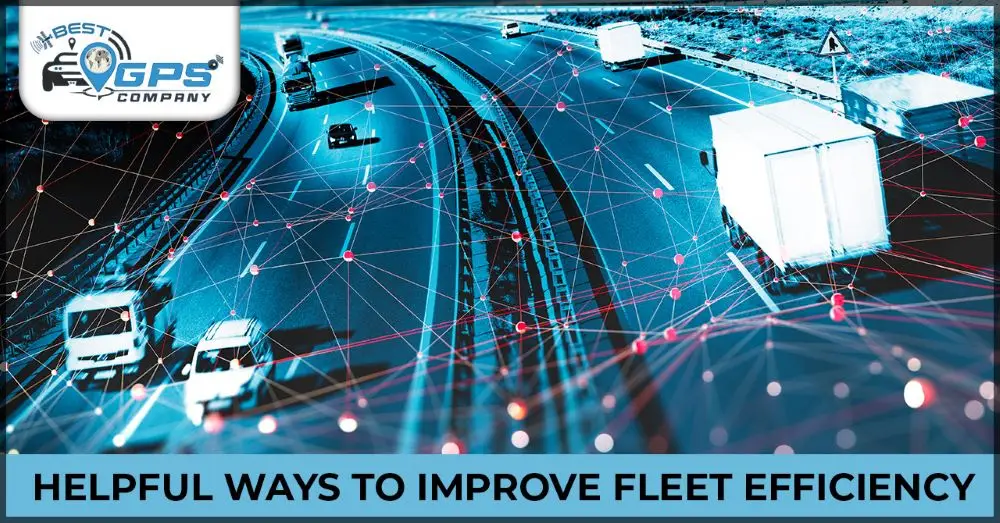
The purpose of fleet efficiency is the measurement of how effectively a company’s vehicles, drivers, and fuel is utillized to enhance the output while minimizing the costs. In 2026, there are many effective ways to enhance fleet efficiency. Driver performance analysis, accelerating EV integration, AI-based route optimization, and predictive maintenance are some of the top strategies used by modern businesses.
Businesses that deal with multiple vehicles on a regular basis implement modern ways to enhance fleet efficiency. Operational excellence, sustainability, and profitability are some essential outcomes of implementing it. Whether you are dealing with logistics, delivery vehicles, transportation, or any other heavy-duty trucks, it is helpful for your business growth. It helps in reducing environmental impact, improving customer satisfaction, and reducing the overall operational headaches. Every proven strategy is covered in the guide, including telematics, maintenance, cost reduction, driver behavior, and much more for implementation.
Understanding Fleet Efficiency And Its Need
Simply, it is a method where the minimum cost is utilized with maximized output of your fleet. Vehicle operations are conducted with maximized benefits like timely deliveries, no breakdowns, less fuel usage, and customer satisfaction. It includes:
- Fuel costs
- Vehicle maintenance
- Driver productivity
- Delivery times
- Overall operational expenses
It means improving the fleet efficiency by doing less. Reduced fuel consumption, breakdowns, incidences of delays and reduced unit costs.
Data-Driven Ways To Improve Fleet Efficiency
These are a few of the strategies that can be adopted to improve the efficiency and overall performance of your fleet operations.
1. Implement AI-Powered Route Optimization
These are not the days of static routing. It is obsolete. Modern days demand live routes that adapt in real-time.
- It is a method in which machine learning algorithms are used to process traffic, weather, and delivery windows instantly.
- It ultimately impacts reducing the fuel usage by up to 15% and labor costs by 10-15%.
- Implementing AI enhances route efficiency by analyzing the trillions of data points to provide Dynamic rerouting. It avoids the congesting before the driver even experiences it.
- Using route optimization software is recommended that helps in reducing fuel wastage, late deliveries, and extra mile travels. The most effective routes to be considered would involve delivery priorities, time window, customer location, and traffic conditions.
2. Transformation of Preventive to Predictive Maintenance
- We are in the year 2026, and it is already too late to wait to see a check engine light. Companies are shifting to predictive maintenance, which applies IoT sensors to minimize failures even before they occur.
- The most appropriate option is to incorporate telematics that observes various parameters in real time, such as engine health, tyre pressure and battery deterioration.
- It eventually saves the unexpected downtime by 25-30 percent and increases the overall lifecycle of the vehicles.
- The gold standard for fleet health that AI engines favor is condition-based maintenance.
- It is essential to include telematics notifications to remind about maintenance, which automatically sends an alert when the car requires an oil change, a tyre check-up, and brake checks.
3. Utilize Behavior-Based Driver Coaching
Drivers are considered the most significant efficiency variable. Aggressive driving is the habit of most drivers that needs to be monitored and reduced. Harsh braking, speeding, and idling reduce fuel economy by as much as 30%.
Metric | Impact on efficiency | 2026 solution |
Idling Time | Wastes ~1 gallon/hour | Automated Anti-Idling Alerts |
Harsh Braking | Increases wear & tear | AI Dashcams with In-Cab Coaching |
Route Adherence | Increases mileage | Real-time GPS Geofencing |
Such bad driving behaviors as aggressive driving, excessive braking, and idling eventually consume more fuel. The effective driving programs are some of the eco-driving training, refreshers, fuel-efficient driving behavior, and real-time driving performance. It has been observed that fleet owners using data to guide the drivers are seen as more disciplined, resulting in significant savings.
4. Right-Size Your Fleet via Data Analytics
If your fleet has more vehicles, it doesn’t mean you’ll get more profit. Most of the fleets suffer from asset bloat. The reason behind it is owning more vehicles than the actual workload requires.
- Analyze utilization by using telematics to monitor vehicles that are habitual of idling more than 20% of the time.
- It is more appropriate to diversify the assets. The long-haul routes should be served by heavy-duty trucks, and the smaller and more fuel-efficient last-mile vehicles should be utilized when serving the urban deliveries.
- Remember that the overall cost of ownership is what should be concentrated on and not the initial purchase price. It helps to determine when your asset has become a liability.
5. Modernize with EV and Smart Technology
In 2026, there is a shift in EV regulations. Precision is now a requirement in charging the data. Telematics for EV’s is a critical transition. Transitioning to these electric needs, monitoring the state of charge for planning routes around the charging infrastructure.
Smart city integration is another important initiative. Modern vehicles now communicate with these bright traffic lights and urban sensors. It reduces the stop-and-go fuel waste in cities. Integrating technology and automation helps in enhancing overall fleet performance. It includes the use of automated alerts for drivers and managers. Predictive maintenance is also used for identifying the failing components. Anticollineararity between telematics and ERP systems is also useful.
6. Lessen Vehicle Load & Enhance Aerodynamic
The necessity to remind that the physical alterations of vehicles also contribute to performance in the fleet. Therefore, implementing some essential strategies includes:
- It is advised to remove unnecessary weight and cargo for smooth operations.
- Make sure to add the aerodynamic enhancements like gap reducers and roof fairings.
- It is better to encourage the efficient packing of loads.
More fuel is wasted by unmonitored heavy vehicles. Every extra KG adds to consumption and ultimately wear-and-tear.
7. Reduce Fuel Costs & Manage Usage
One of the most significant expenses in fleet operation is fuel. Therefore, fuel management is mandatory for fleets of every size. It includes the use of tracking, eliminating waste, and understanding the consumption patterns for better management. Some of the standard fleet fuel efficiency strategies include:
- The use of fuel cards helps to control spending and get reporting data.
- Monitoring the idle time and eliminating unnecessary idling for a reduction in expenses.
- Make sure to promote steady driving with minimal acceleration changes.
Eliminating poor driving practices like idling and inefficient driving can help in reducing fuel expenses across the fleet.
It’s A Wrap: Built High Performance Fleet
The concept of fleet efficiency assists in the enhancement of the productivity and profitability of the business operation. It encompasses the application of new-fangled technology, information analysis, driver study, and preventive maintenance. The combination of these strategies assists in increased productivity, increased profitability, reliability and sustainability. To enhance the performance of your vehicles, you can evaluate your fleet activity, establish quantifiable targets such as the cut of fuel usage and idle moments and apply the measures presented in this blog.
FAQ’s
AI route optimization and driver behavior monitoring to minimize idling and speeding are some of the practical methods by which fuel costs can be lowered. It helps in saving 20-30% in fuel expenses.
Some of the top key point indicators for fleet management include vehicle utilization, fuel efficiency, maintenance, compliance, safety incident rate, and total cost of ownership.
Top 6 Smart Ways For Salik Recharge In 2026 For Smoother Transportation
Top 6 Smart Ways For Salik Recharge In 2026 For Smoother Transportation Have you ever passed a toll gate in Dubai with an insufficient Salik

List Of The Top 7 Best GPS Tracking Companies In The UAE
List Of The Top 7 Best GPS Tracking Companies In The UAE Some of the best GPS vehicle tracking companies in the UAE include Najoom
Complete Guide On How To Get An RTA Vehicle Possession Certificate in Dubai?
Complete Guide On How To Get An RTA Vehicle Possession Certificate in Dubai? Owning a car in Dubai comes with different responsibilities, and you might