
Top 7 Best Helpful Tips To Measure Fleet Performance In 2026
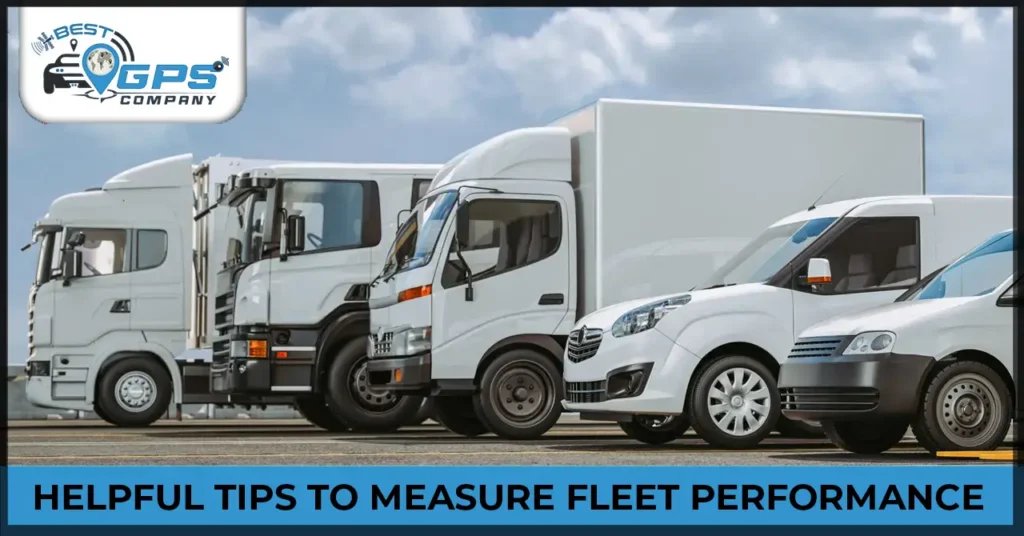
Measuring fleet performance in 2026 is no longer difficult with advanced tools and technologies. You can measure performance by monitoring vehicle utilization, tracking real-time GPS data, measuring fuel efficiency, assessing driver performance, conducting regular audits, and more. Advanced technology and tools have made it convenient to measure how effectively your fleet is operating.
Operating fleet vehicles, shipments, logistics, or cargo without measuring their performance means higher expenses and more errors. There was a time when fleets were operated without getting real-time insight, resulting in reliance on guesswork and more manual errors. According to a report, almost 75% of businesses are moving towards telematics-based fleet management solutions, including GPS, data reporting, and analytics. It shows how convenient and easy it has become to measure the performance of your fleet vehicles.
What Is Fleet Performance Measurement?
It is an effective way to identify which areas in your fleet need improvement. The key aspects involved in it include vehicle utilization, fuel consumption, mileage, driving behavior, distance travelled, and many other aspects. Measuring these aspects results in enhancing the overall fleet efficiency, better performance, reducing expenses, and ensuring better operations. Besides this, there are also some key metrics that should not be ignored at any cost. It includes:
- Vehicle Utilization Rate
- Fuel Efficiency
- Idle Time Percentage
- Cost Per Mile
- Preventive Maintenance
- Fleet Downtime Rate
- Driver Safety Score
- On-Time Delivery Rate
Fleet Performance Management With Advanced Technologies
There are data-backed trends that show how businesses are moving towards advanced technologies to measure and manage their fleet performance. Let’s have a look at this data that shows how tech-using companies are growing rapidly in enhancing their fleet performance.
- It has been observed that, to monitor location and status, nearly 80% of companies use GPS tracking technology.
- Fleet management software is used by almost 65% of large commercial fleets.
- 78% of fleet companies have integrated IoT devices, including sensors and telematics, into their operations.
- 84% of fleet managers are using predictive maintenance technology to reduce breakdowns.
It is observed that the fleet management software market is expected to grow largely through 2028 as companies further digitize operations.
Top 7 Tips To Measure Fleet Performance
Let’s know the top ways for measuring performance and implement the best strategies for better results.
1. Monitor Vehicle Utilization
Vehicle utilization monitoring is an important measure that should not be ignored. In this step, you will have to monitor how an automobile is being used by the driver, its idling duration, and fuel used per mile, stop points, maintenance, and engine hours. Measuring these aspects helps to analyze the underused and overused vehicles. It ultimately helps in making result-oriented decisions, decreases unnecessary expenses, and organizes timely maintenance. Once you monitor the utilization pattern, implement result-driven decisions for better outcomes.
2. Track Real-Time GPS Data
Don’t take real-time tracking casually; it is the most helpful way to monitor every aspect of fleet operations. The live GPS will enable you to view the vehicle’s position, state, and movement, among other things, whilst staying in your comfort zone. You can see your car’s position at any time, enabling sound decisions. And this is not the only thing, you can also provide immediate help during such situations as accidents or any other emergencies. It is the most effective way to know how your vehicles are performing.
3. Monitor Fuel Efficiency
Fuel is one of the huge financial aspects for fleet companies that should be monitored at every cost. The most important reason behind excessive fuel wastage is unplanned routes and harsh driving performance. Therefore, it is better to monitor how much fuel is used per mile, total mileage per trip, and driving performance. After analyzing it, you should implement best practices like planning better routes and improving driver behavior.
4. Measure Driver Behavior
Risky driving is another cause of poor fleet performance; most managers ignore it. Hence, it is recommended that the behavior of the driver of your vehicle should be measured to enhance the overall performance. Determine how the drivers are carrying out their operations, be it speeding, idling or habitually severe braking. Such aspects influence the performance of your cars and are supposed to be tackled in time. Performance-based incentives are preferable to begin with in order to encourage positive driving and improve fleet performance.
5. Perform Regular Audits
Always make sure that you conduct audits to determine what can be improved and introduce best practices to achieve better outcomes. Examine various parameters of a journey on a daily basis that involve maintenance work, fuel consumption, driver demeanor, speeding, time at stops and engine hours and so on. These will make you know where your company’s money is going to waste. Upon completion of the audit, find ways to improve the areas and apply best practices to make operations smoother.
6. Track Maintenance & Breakdown
Track the maintenance tasks weekly or monthly to identify the health and performance of your vehicles. Sometimes, your fleet performance is affected by poor vehicle health and breakdowns. Therefore, to ensure better performance, it is advised to ensure timely maintenance and keep your fleet in better health. It is better to integrate advanced technologies that give automated alerts for maintenance tasks. It will update you promptly on maintenance and ensure effective fleet performance.
7. Analyze Delivery Routes
Delivery routes also play an important role in overall fleet performance. Following unplanned routes results in more fuel usage and delayed deliveries, which affects overall fleet performance. Therefore, to measure the performance, it is advised to analyze the delivery routes. Make sure to optimize short routes, reduce traffic, and ensure smooth roads. It will ensure timely delivery, less fuel consumption, and promote safer driving.
Final Takeaway!
Fleet performance measurement is an important step that should not be overlooked. It helps in monitoring different aspects of your fleet like driver behavior, vehicle utilization, real-time data, and delivery routes. Monitoring these things allows companies to manage the extra expenses and implement best practices for fleet management.
Some reports also indicate that transport companies are moving towards advanced technologies for better performance and efficient results. There are also some metrics that are advised to be measured, which include cost per mile, vehicle utilization rate, driver performance, score, fuel efficiency rate, and others. Improve fleet performance by implementing best practices.
Guide About How To Pay Ajman Traffic Fine Online And Offline Methods
Guide About How To Pay Ajman Traffic Fine Online & Offline Methods Traffic fines are a huge financial burden for individuals and company vehicles operating

Complete Guide On How GPS Technology Has Changed The World
Complete Guide On How GPS Technology Has Changed The World GPS has transformed the way we communicate, interact, and navigate in today’s world. It has

Everything You Need To Know About SecurePath GPS Installation
Everything You Need To Know About SecurePath GPS Installation Dubai’s transport and logistics industry needs updates every second and every kilometer. Still, most of the